Is Lawn Aeration Worth It?
February 23, 2026
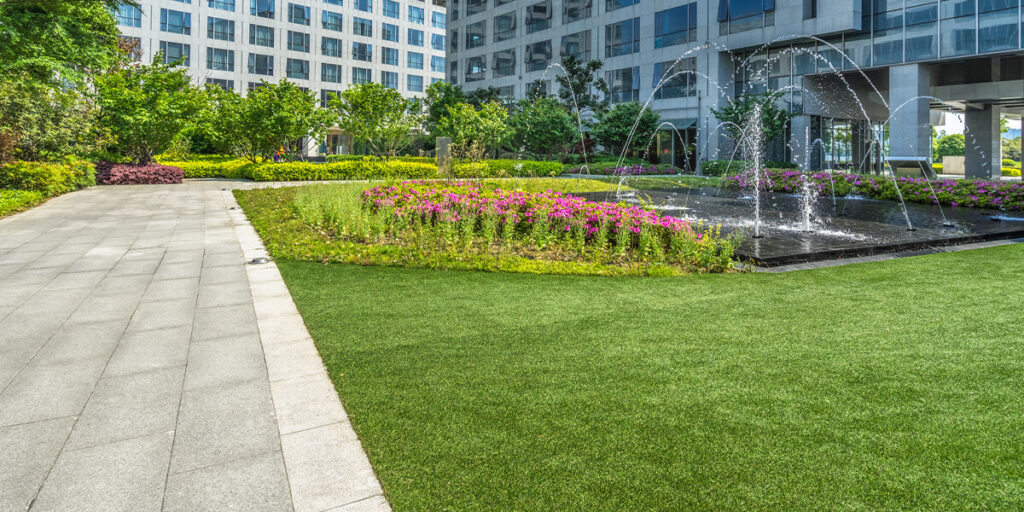
A well-maintained, lush lawn is an investment in your business that adds aesthetic appeal and signals professionalism and value to potential customers and visitors. However, high foot traffic, construction and specific weather events can lead to severe compaction that fertilizer alone cannot fix.
Lawn aeration is the perfect solution to restore the health and appeal of your grass. It is a worthwhile preventive maintenance strategy that reduces long-term costs and enhances the quality of your lawn. This article explains why aeration is worth it, the signs your property needs it and the optimal schedule for Michigan businesses.
What Is Commercial Lawn Aeration?
Lawn aeration creates small openings in compacted soil, allowing air, water and nutrients to reach the root zone. It improves soil structure and helps turf grow stronger, healthier and more resilient.
Core aeration is the most effective method for large‑scale commercial properties. Specialized industrial equipment removes small plugs of soil, grass and thatch — typically one‑half to three‑quarters of an inch wide and two to four inches deep. By extracting material instead of pushing holes into the ground, core aeration relieves compaction more thoroughly than spike aeration and delivers better long‑term results.
Lawn Aeration Benefits
Here are some of the top lawn aeration advantages for commercial properties.
Improved Drainage and Safety
Compacted soil prevents rainfall and irrigation water from soaking in, leading to stubborn puddles and muddy areas. For businesses, this can be a liability — it increases the risk of slip-and-fall incidents for employees, tenants and visitors. Aeration opens the soil, allowing water to drain efficiently, minimizing hazards and costly property damage.
Enhanced Fertilizer Effectiveness
When soil is too dense, fertilizer and other treatments often wash away before benefiting your lawn. Aeration creates pockets that trap nutrients where they do the most good, enabling your existing maintenance investments to work more effectively. It improves lawn quality and maximizes your lawn care budget.
Improved Root Growth and Water Efficiency
Healthy roots are the foundation of a resilient turf. Aeration helps them grow and thrive by reducing compaction and allowing roots to access more oxygen and moisture. The grass also stays greener longer with less irrigation required.
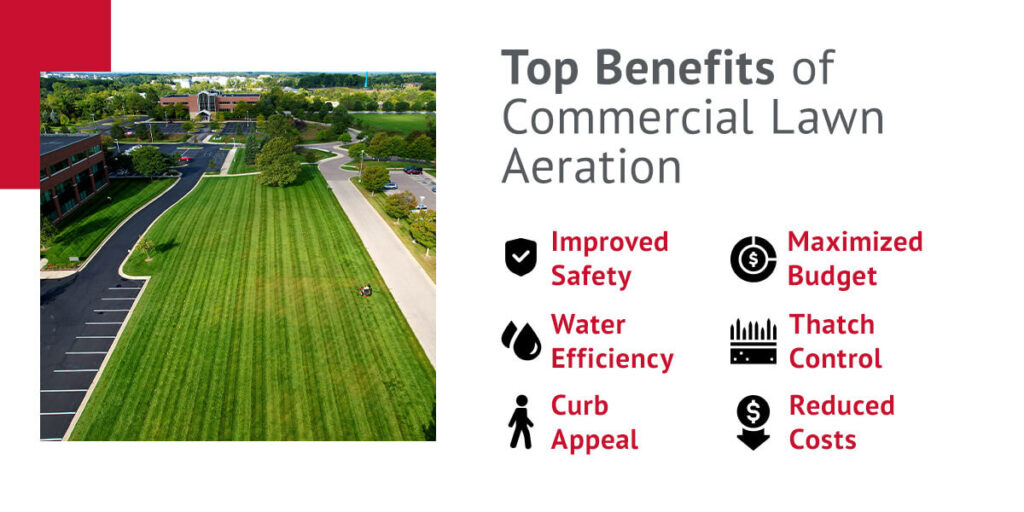
Better Thatch Control
Thatch restricts access to vital air, water and nutrients, while creating a breeding ground for insects and turf disease. Regular aeration breaks up thatch and integrates organic matter back into the soil, reducing reliance on chemical pest controls and enhancing long-term lawn health.
Boosted Curb Appeal
A thick, healthy lawn signals a well-maintained, professional property. It can elevate your commercial space’s image and reputation, making your business more attractive to new and existing customers or tenants.
Reduced Lawn Maintenance Costs Over Time
Lawn aeration relieves compaction and promotes a healthier turf. As a result, it reduces the need for expensive corrective measures like reseeding, heavy fertilization and even total sod replacement. This preventive approach keeps maintenance costs manageable and supports a sustainable landscaping budget.
Signs Your Commercial Property Lawn Needs Aeration
Addressing these common signs with professional aeration ensures better-looking, longer-lasting turf. Here are the top six signs your lawn may be overdue for this essential service.
1. Thinning or Patchy Grass
If the turf looks thin and patchy, even with regular mowing and fertilization, compacted soil is often the cause. Thinning grass can occur when compacted grass creates a hard barrier that prevents essential water, air and nutrients from reaching the roots. This physical restriction suffocates the roots and blocks vital elements, causing poor grass growth and resulting in thin, patchy areas.
2. Bare Spots
Bare or bald patches on your lawn are often a symptom of underlying compaction or poor soil health. When a new seed fails to establish in these zones, it’s usually because water and nutrients can’t penetrate far enough. Aeration opens the soil, allowing new grass to develop a robust root system. Bare spots can also signify disease or pest damage, which may require a different solution.
3. Water Pools on the Surface
Water puddles that linger on your turf after rain are another sign that your lawn needs aeration. Compacted soil causes poor drainage, preventing water from filtering down to the roots. In addition to creating muddy, unsightly conditions for visitors and employees, standing water also encourages turf diseases that can further damage your lawn.
4. Thatch Buildup
Thatch is a layer of dead grass and organic matter that sits on top of the soil. While a small amount of thatch is normal, excessive buildup can block airflow, water and nutrients from reaching the roots. Thatch buildup can also create a moist, dark environment that’s ideal for pests and diseases. Core aeration breaks up and disperses this layer, restoring your lawn’s ability to breathe and absorb essential nutrients.
5. Ineffective Lawn Care Results
Do you routinely apply fertilizer but still don’t see greener, denser turf? Even top-quality treatments and irrigation can’t get past compacted soil. If you invest in lawn care but don’t get the expected results, professional lawn aeration may be the missing piece needed to ensure lasting improvement.
6. Difficulty Penetrating Soil
Compacted soil is hard to penetrate. You can do a quick test by pushing a sturdy screwdriver into your turf. If it won’t pierce easily, your soil is probably too dense for healthy root growth, which means it’s time to aerate.
Developing a Regular Aeration Schedule for Your Businesses
Establishing a consistent aeration routine is vital to protect your commercial lawn’s health and long-term appearance. The best time for lawn aeration depends on Michigan’s growing seasons.
- Fall: Fall aeration is the gold standard, especially early in the season. It allows roots to recover from summer stress and pairs perfectly with overseeding, giving new turf the best chance to establish itself before winter.
- Spring: Spring can be a crucial follow-up, particularly for properties affected by winter snow piles, plow compaction or salt residue. Expert lawn maintenance techs can review damaged areas and restore airflow to matted-down grass.
Not all commercial landscapes face the same challenges. The ideal frequency depends on conditions like your property’s foot traffic and soil type.
Improve Lawn Quality With DJ’s Landscape Management
Aerating your lawn is worth the effort to achieve and maintain a healthy, vibrant exterior that enhances your property’s curb appeal, shapes first impressions and adds long-term property value. With decades of experience serving Michigan businesses, DJ’s Landscape Management understands the unique challenges local property managers face, from harsh winters to heavy foot traffic and clay-rich soils.
Our team specializes exclusively in commercial landscape solutions, providing lawn aeration expertise that goes beyond standard maintenance. With nine locations across Michigan, we’re always in your neighborhood, ready to deliver timely, professional service that works around your schedule.
Get in touch with our experts today to schedule your lawn aeration service.